
Fairfax County Arrest Warrants Explained
An arrest warrant gives an officer lawful authority to take a named person into custody. In Virginia, the work starts with a complaint. A magistrate reviews it and issues the warrant only where probable cause exists. The document itself must do several things: name or describe the person, state the offense, direct an officer to arrest and bring that person before the proper court, and carry the issuing officer's signature. State law adds one more authorization step when a felony complaint comes from someone outside law enforcement or animal control. A magistrate can issue process before a case reaches Circuit Court, though felony indictments usually move by capias instead. In Fairfax County, the right route depends on the charge and where the case stands. Virginia Code § 19.2-72 spells out the magistrate's arrest-warrant procedure.
How Fairfax Magistrates Review Probable Cause
A magistrate is an independent judicial officer. That role is not a police records clerk. The Fairfax Magistrate's Office reviews complaints from citizens and law enforcement, may issue arrest warrants and summonses, and conducts bail hearings around the clock at the Adult Detention Center. The public can reach the office at 703-246-2178. One limit matters: magistrates do not give legal advice. A caller trying to confirm whether a warrant exists should contact the Sheriff's Warrant Desk at 703-246-4231, then turn to the identified court or counsel for the case itself. Each Fairfax County office holds a distinct job. The magistrate issues process, the clerk keeps the case, and officers execute the warrant. For duties and local locations, see the Fairfax County Magistrate information.
Inside a Fairfax County Arrest Warrant
Fairfax County publishes no public criminal-warrant result card and no verified criminal warrant-number format. A court file may hold the fields described here, though access can be limited before service or by sealing. What a search does not show is not proof that no warrant exists; only the issuing court can confirm.
| Issuing authority | Magistrate, judge, or court shown on the process |
|---|---|
| Person and charge | Name or description and the offense stated with reasonable certainty |
| Case reference | Case or complaint number if the public court record provides one |
| Service direction | Officer or agency directed to execute the warrant |
| Bond and return | Case-specific release conditions and later service or court record |
An affidavit can hold the facts supporting probable cause. Fairfax County courts may seal or restrict it, so its absence from a search does not mean there is no case.
Fairfax Circuit Capias After Indictment
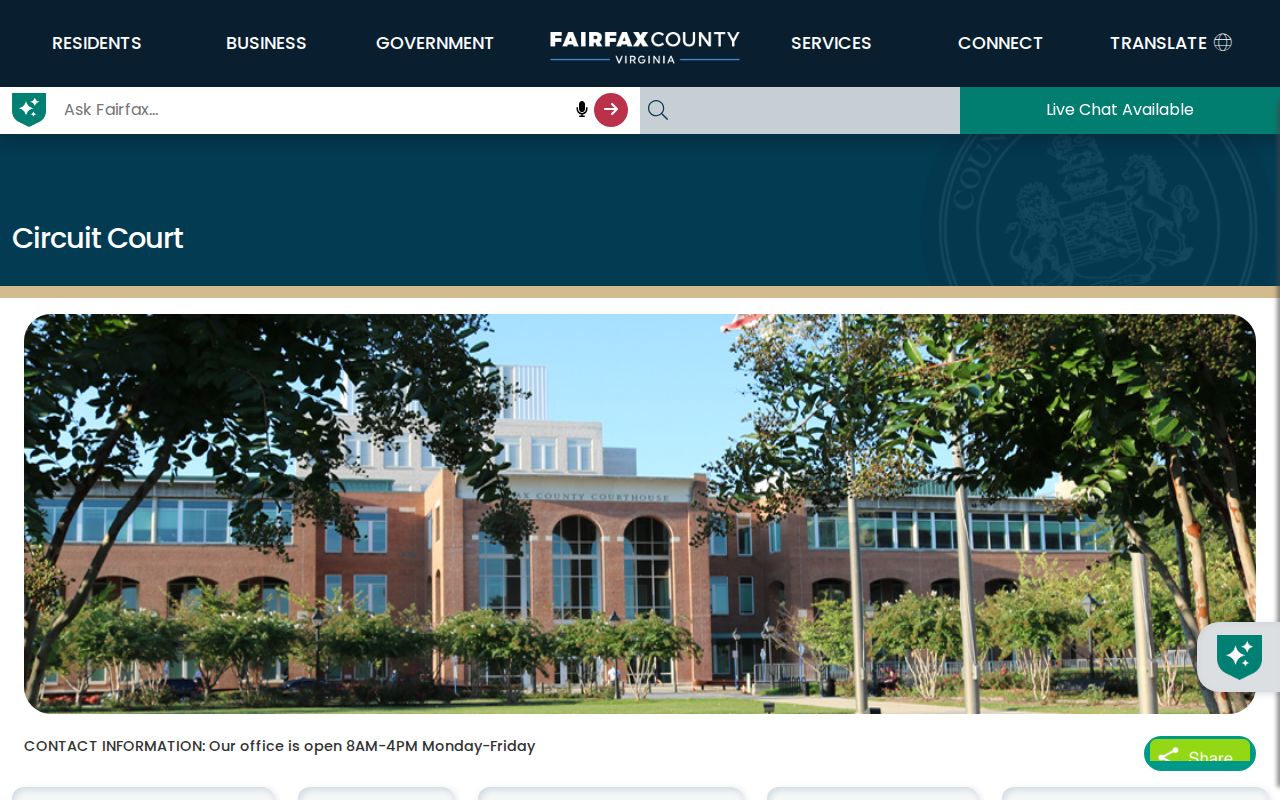
After a grand jury indicts a felony, Virginia law generally directs that felony process be a capias. That is formal arrest process, not a new charge of its own. Fairfax Circuit Court's Criminal Division handles felony files and related orders. The Sheriff's Warrant Desk can help identify the local warrant channel, while the Circuit clerk explains the docket and record access. Current Circuit criminal files sit at the courthouse. Older files may be stored at the Offsite Records Center in Merrifield. File-review requests work on a set clock: the clerk gives notice of availability within two business days, and criminal files are held for no more than ten business days after notice for in-person review. The Fairfax County Circuit Court describes its felony jurisdiction and court structure.
The Criminal Division page lists its address, hours, and payment methods.
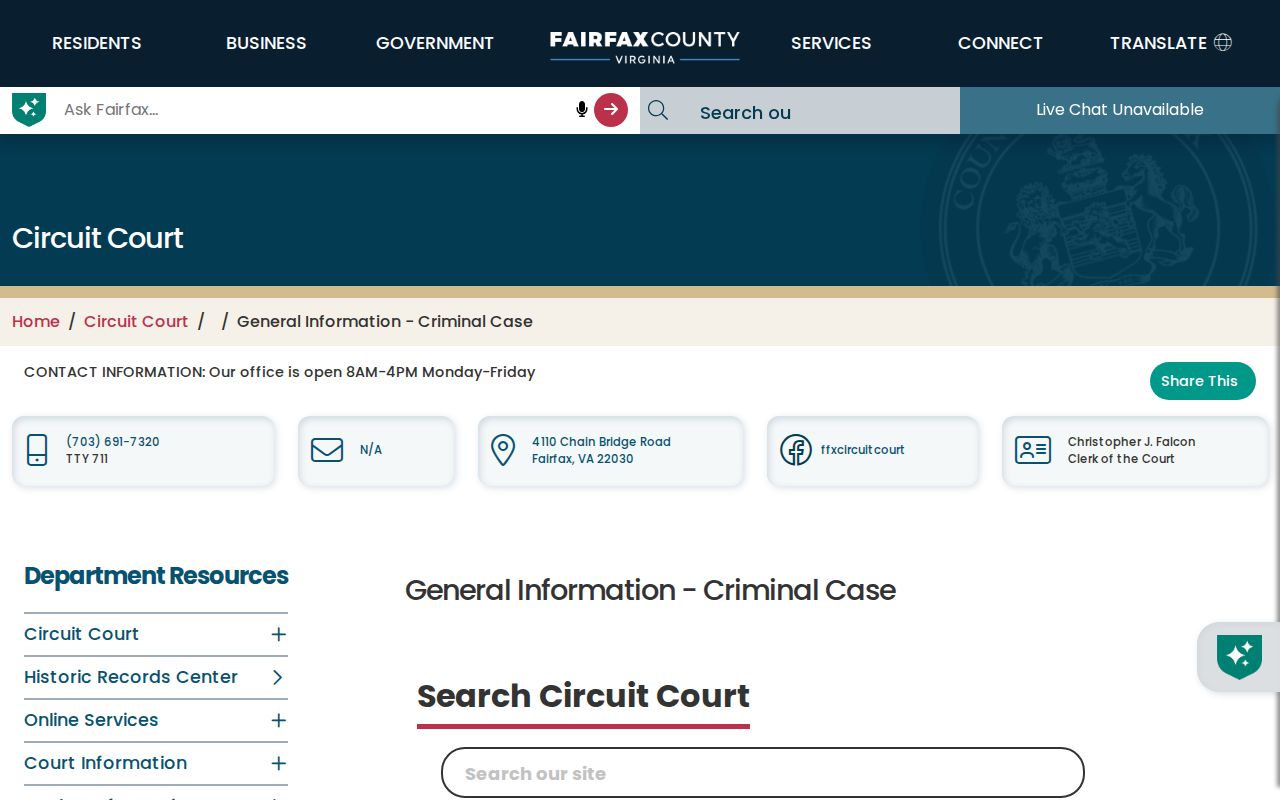
A file-review request only opens access to a Fairfax County court record. It is not a motion to withdraw a warrant.
Serving Arrest Warrants in Fairfax County
Authorized officers receive process through law-enforcement channels and execute it by arrest. Virginia lets an officer execute a warrant or capias issued anywhere in the Commonwealth within that officer's jurisdiction. Once arrested, the person must go before a judicial officer without unnecessary delay for bail review or commitment. Serving an arrest warrant in Fairfax County is not one agency's job. Fairfax County Police, City of Fairfax Police, Herndon Police, Vienna Police, the Sheriff, and other authorized officers may each serve process under their legal authority. The court case continues afterward; service neither dismisses the charge nor erases the record. Section 19.2-76 covers execution of process, and Section 19.2-80 addresses the required prompt judicial review after arrest.
Between Arrest and the ADC Bail Hearing
After an arrest on a warrant or capias, the officer brings the person to a judicial officer without unnecessary delay. The magistrate then reviews bail or commitment. Bond type and amount hinge on the individual case, and Fairfax County publishes no fixed warrant bond schedule. A bond secures release or future appearance; it does not resolve the underlying charge. The Adult Detention Center line is 703-246-2100, with a phone-tree route for bonds, release dates, and court dates. Call before visiting to confirm current process, accepted payment forms, identification, and property rules. Fairfax County posts no general walk-in surrender window, so check first.
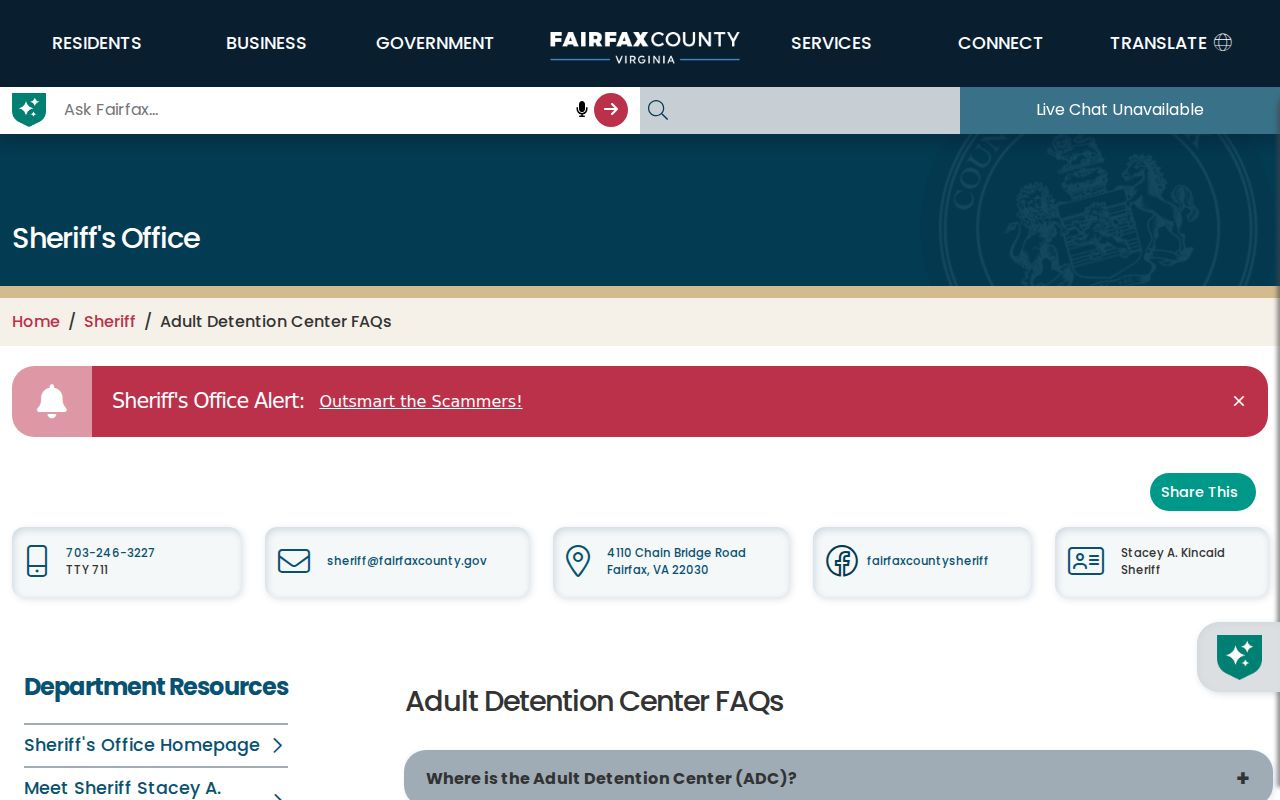
Ask the magistrate or counsel about the next appearance and any release conditions.
Comparing Arrest, Summons, and Bench Warrants
Virginia courts can choose among different process based on probable cause, the case stage, and a person's duty to appear. A summons calls someone to court without ordering an arrest first. A bench warrant answers a missed court duty in an existing case.
| Process | What Starts It | What It Directs |
|---|---|---|
| Arrest warrant | Probable cause after complaint review | Officer to arrest and bring the person to court |
| Summons | Case process where appearance is ordered | Person to attend without immediate arrest command |
| Bench or FTA warrant | Missed setting or court noncompliance | Arrest in connection with an existing case |
For a missed Fairfax County court date, the court's motion-to-withdraw instructions are a different path from confirming a new arrest warrant.
Fairfax County Officers and Federal Process
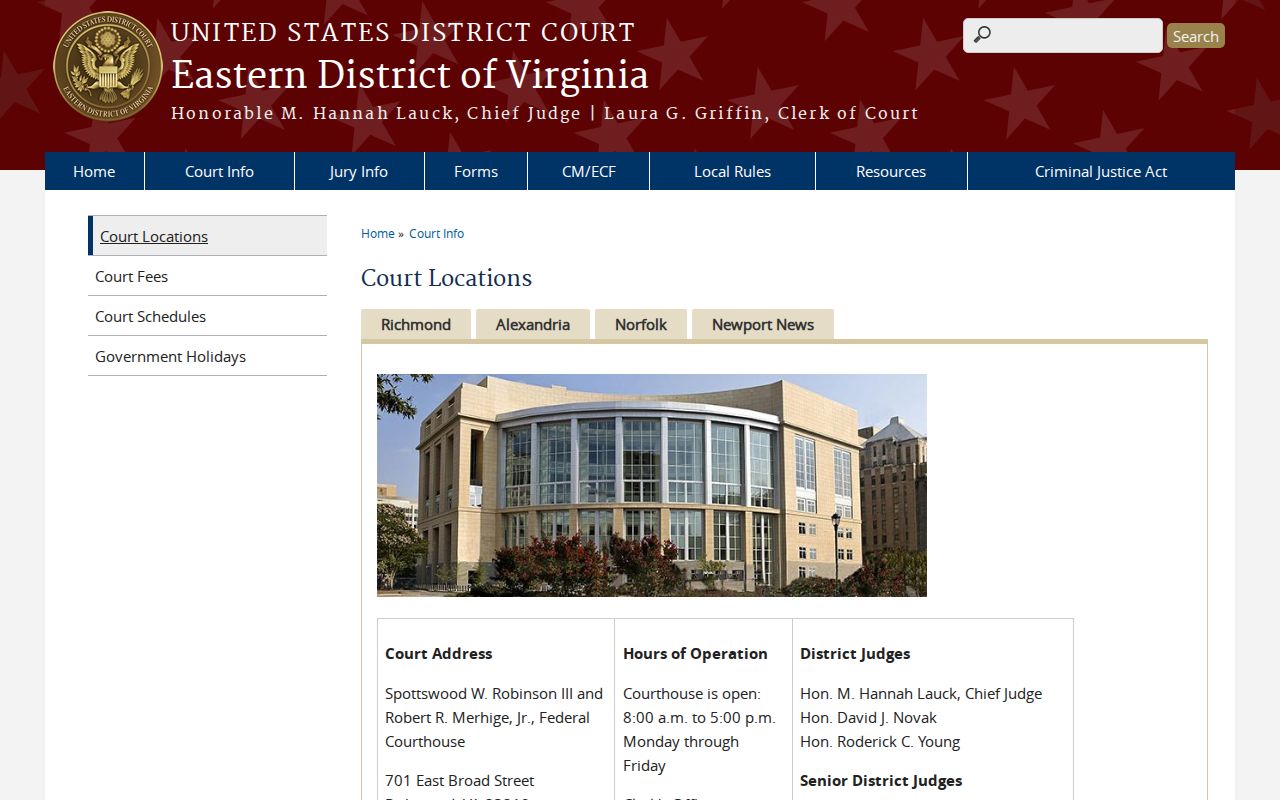
Federal process sits apart from Fairfax County warrants. Fairfax County belongs to the Alexandria Division of the Eastern District of Virginia, so take any federal question to that court, to counsel, or to the U.S. Marshals. The EDVA Alexandria Division information confirms which cases fall under federal jurisdiction. For dockets, PACER carries the eligible public filings, though sealed ones may not appear. The Marshals district page also covers the Capital Area Regional Fugitive Task Force.
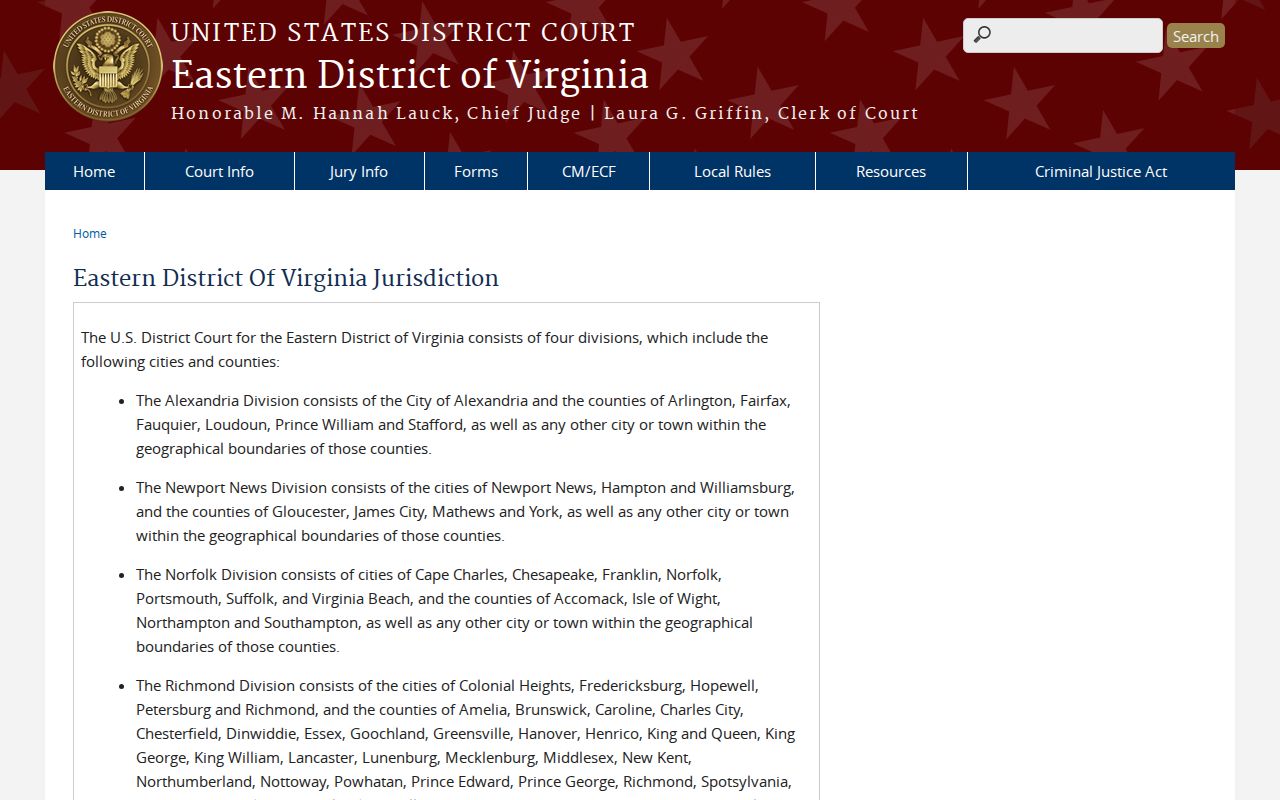
The Alexandria courthouse page posts its location and security rules for Fairfax County visitors. Review the federal court locations before you go.
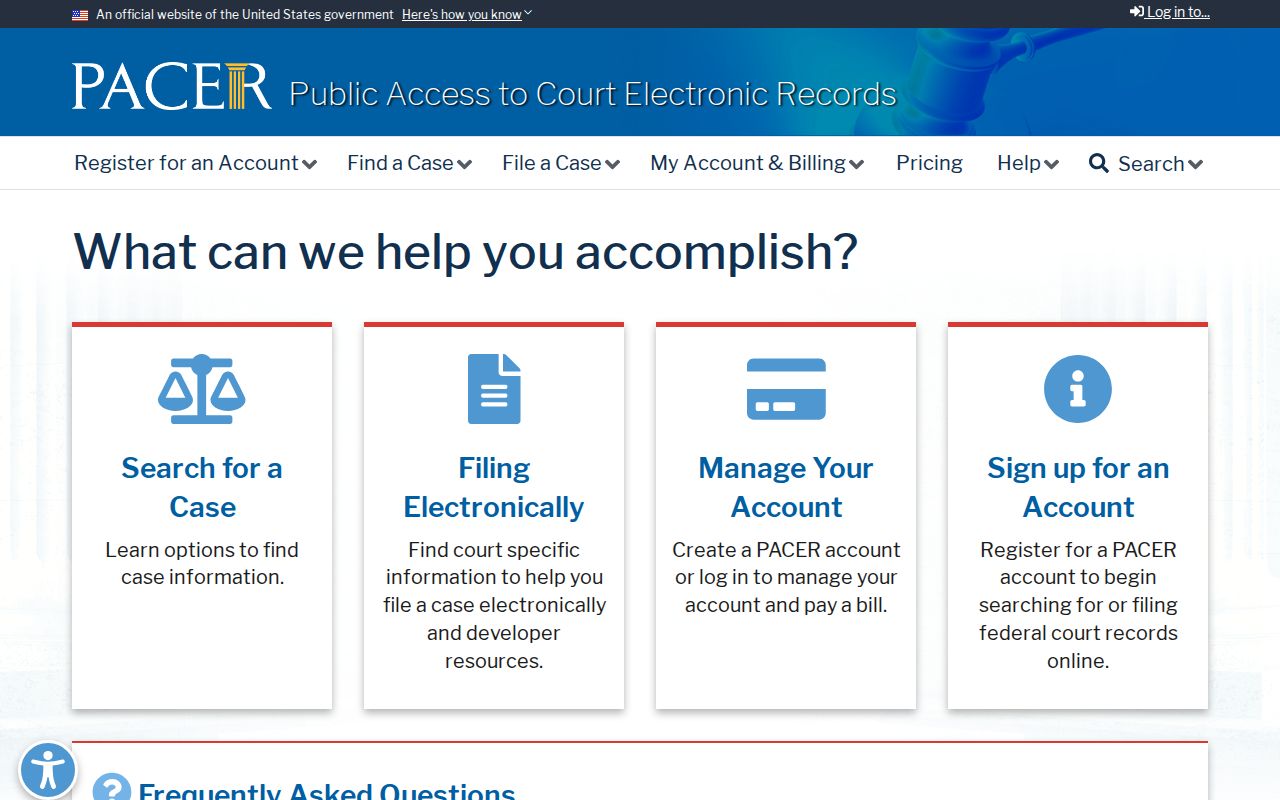
Fairfax County residents can pull federal docket information through PACER for eligible public filings. Review PACER’s search and account instructions first.
County and federal process require different contacts and case systems.
If There’s an Arrest Warrant for You
Start with a call to the Warrant Desk. Ask which court issued the warrant, the case number it uses, and how to confirm its current status. Then contact that clerk for the docket. If the warrant followed a missed GDC date, ask about the Motion to Withdraw the Bench Warrant or Failure to Appear Warrant. When an arrest warrant rests on a new complaint, bring in an attorney and plan a safe court appearance or surrender.
Important: Speak with a lawyer about surrender, bond, or recall before traveling. A court filing is not a withdrawal until the judge acts.
Once arrested, ask how to reach counsel, request an interpreter if you need one, and confirm the next court date. Fairfax County Circuit Court lists an interpreter coordinator for criminal proceedings.
Fairfax County Warrant Confirmation
No public case system in Fairfax County can certify that no arrest warrant exists. A brand-new warrant may not show up yet, an affidavit can stay sealed, and JDR files carry added confidentiality. The police alert system is internal, not a public warrant list. For real confirmation in Fairfax County, the Sheriff’s Warrant Desk and the issuing court are the path. Stick to an official court or county contact page before sharing personal details, and ask the clerk how to get a copy of the file or inspect it. For general Fairfax County warrant steps, the county records home explains which office handles each kind of question.